22nd of October 2026
Three years of work across five countries with healthcare professionals, citizens and policymakers presented in Brussels
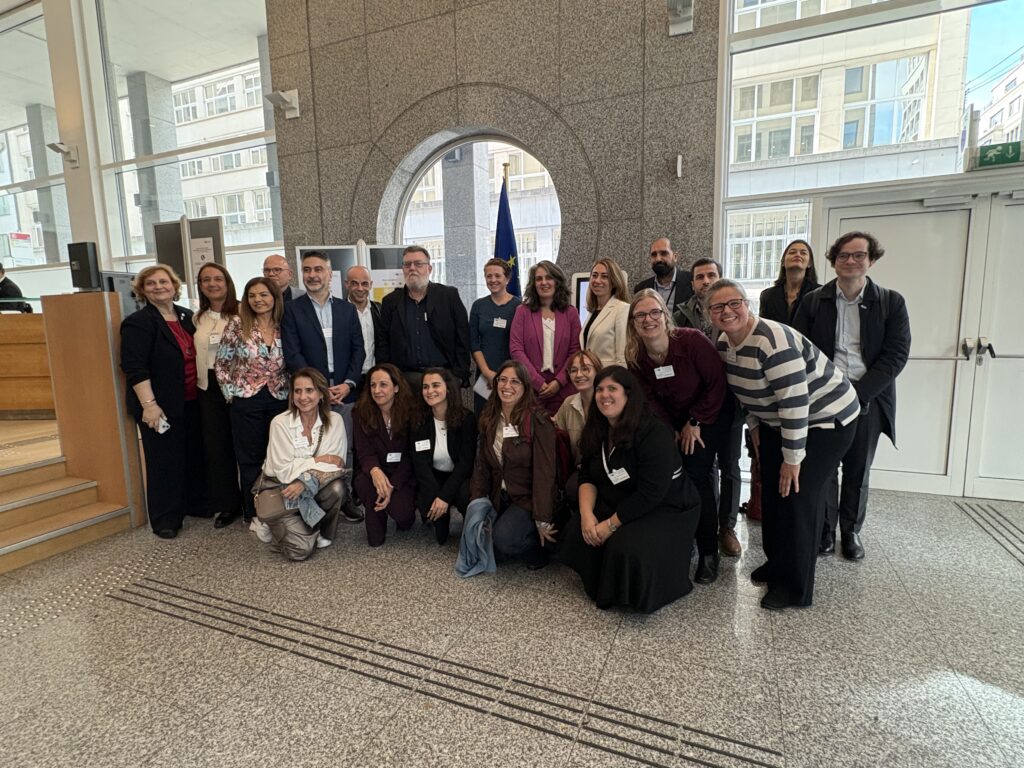
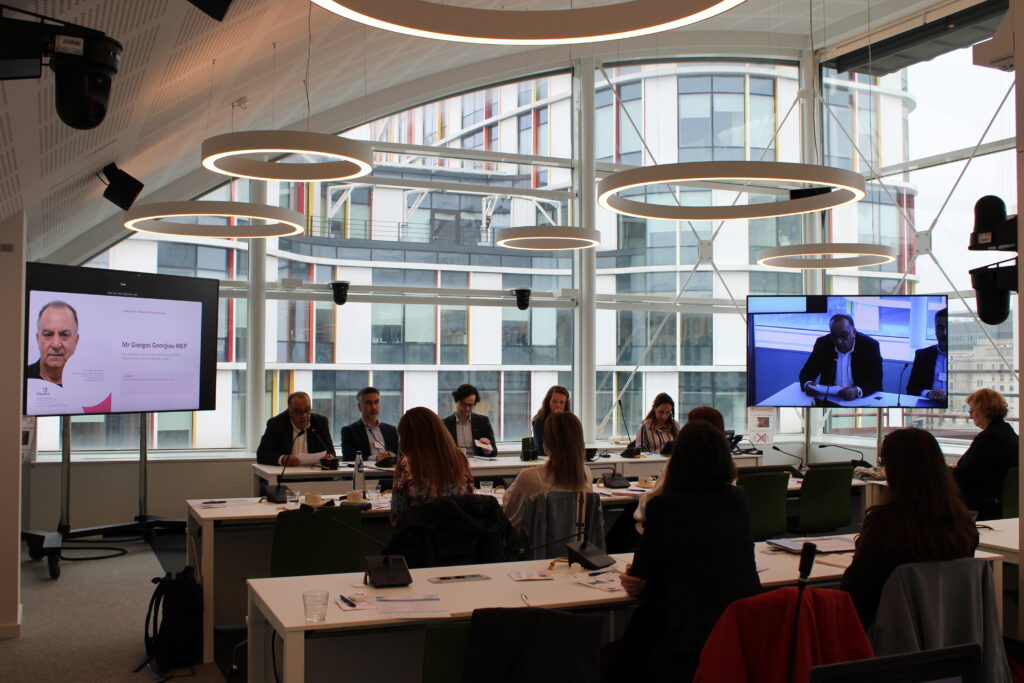
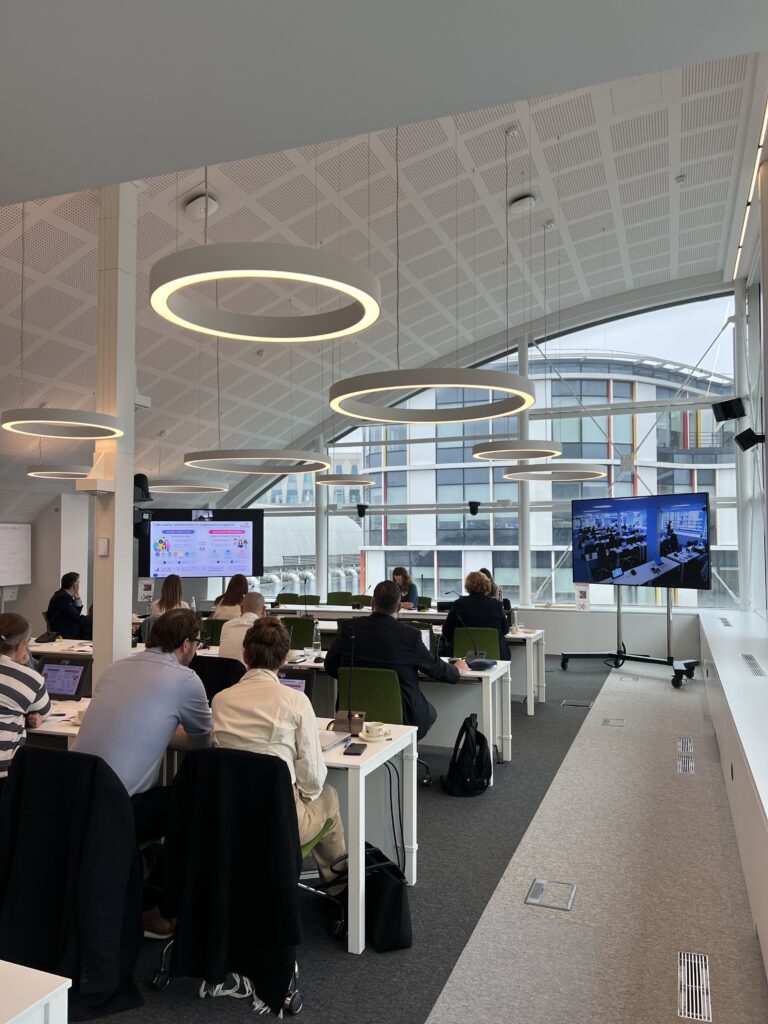
On Tuesday 13 October 2026, the Cyprus University of Technology (CUT), coordinator of the European project co-OPERATOR, presented the project and its results together with its partners at the project’s final conference at the European Parliament in Brussels. The conference was titled “From Evidence to Action: European Pathways for Vaccination Promotion”. It was held in hybrid format, hosted by MEP Giorgos Georgiou with the support of The Left group in the European Parliament. It brought together researchers, healthcare professionals, representatives of civil society organisations and officials from the European institutions.
co-OPERATOR (Developing a Country-Observatory for Sharing Best Practices for Vaccination Promotion) is funded by the European Union’s EU4Health programme. A consortium of ten partners in Cyprus, Greece, Italy, Portugal and the Netherlands is carrying it out from November 2023 to January 2027. The project aims to strengthen citizens’ readiness to get vaccinated and healthcare professionals’ readiness to promote vaccination. It draws on evidence from the behavioural sciences, digital tools and dialogue with policymakers.

The work presented
The conference presented all of the project’s activities, from understanding the problem through to implementation and policy:
- Reviews and mapping: systematic and literature reviews on barriers to and facilitators of vaccination, and on existing training programmes for healthcare professionals. These were carried out with national experts and led by the University of Pisa.
- Europe-wide surveys: development and validation of questionnaires, and surveys of the general population and healthcare professionals in five Member States on COVID-19 and influenza vaccination. The surveys were based on the 7C model of vaccination readiness and the COM-B model of behaviour.
- Digital platform and Virtual Observatory: an open knowledge platform bringing together good practices from the partner countries, along with a training platform and an AI-powered digital assistant. All three were developed by Computer Solutions.
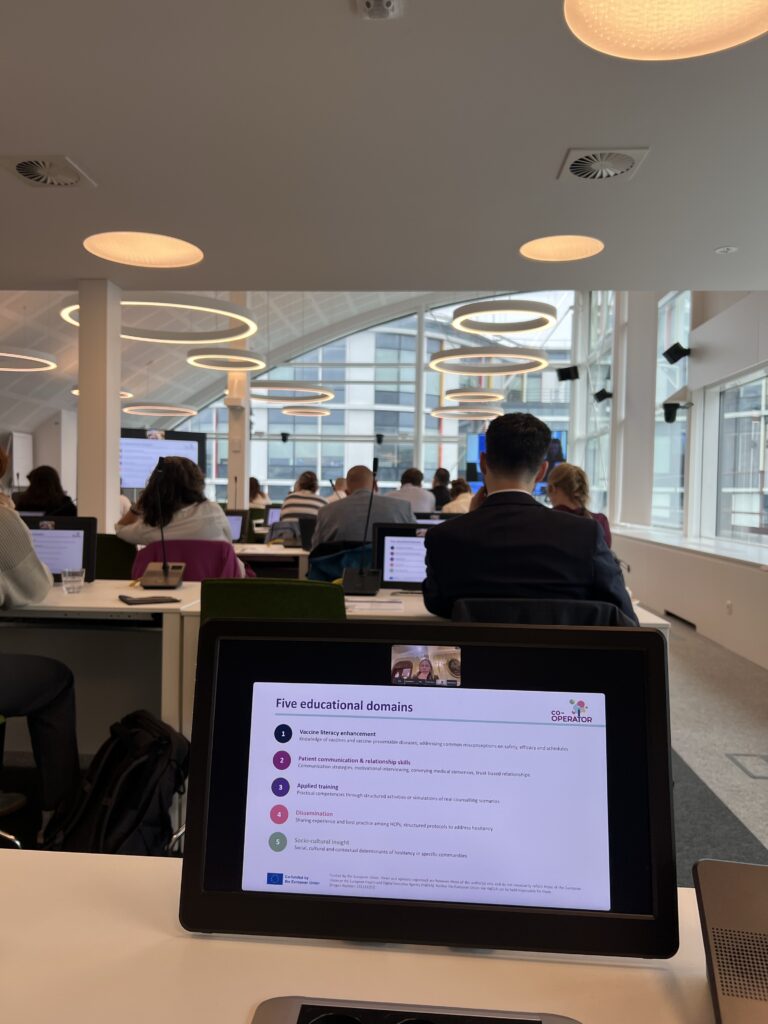
- Training and implementation: training programmes for healthcare professionals that combined in-person and online learning, with a focus on communication skills. Knowledge-transfer activities also reached communities in all partner countries.
- Policy Making Lab: a co-creation process with policymakers and stakeholders, led by Maastricht University. It turned the project’s findings into policy recommendations for healthcare professionals and the general population.
- Dissemination and sustainability: newsletters, news items, podcasts and scientific publications. A sustainability plan, coordinated by the Center for Social Innovation, will keep the project’s tools available after it ends.
The conference programme
The project coordinator, Dr Angelos Kassianos, Assistant Professor of Health Psychology at CUT’s Department of Nursing, opened the conference together with the host MEP. Gábor Belák welcomed participants on behalf of the European Commission’s Directorate-General for Health and Food Safety (DG SANTE). Robyn Gouweloos of the European Forum for Primary Care moderated the discussion.
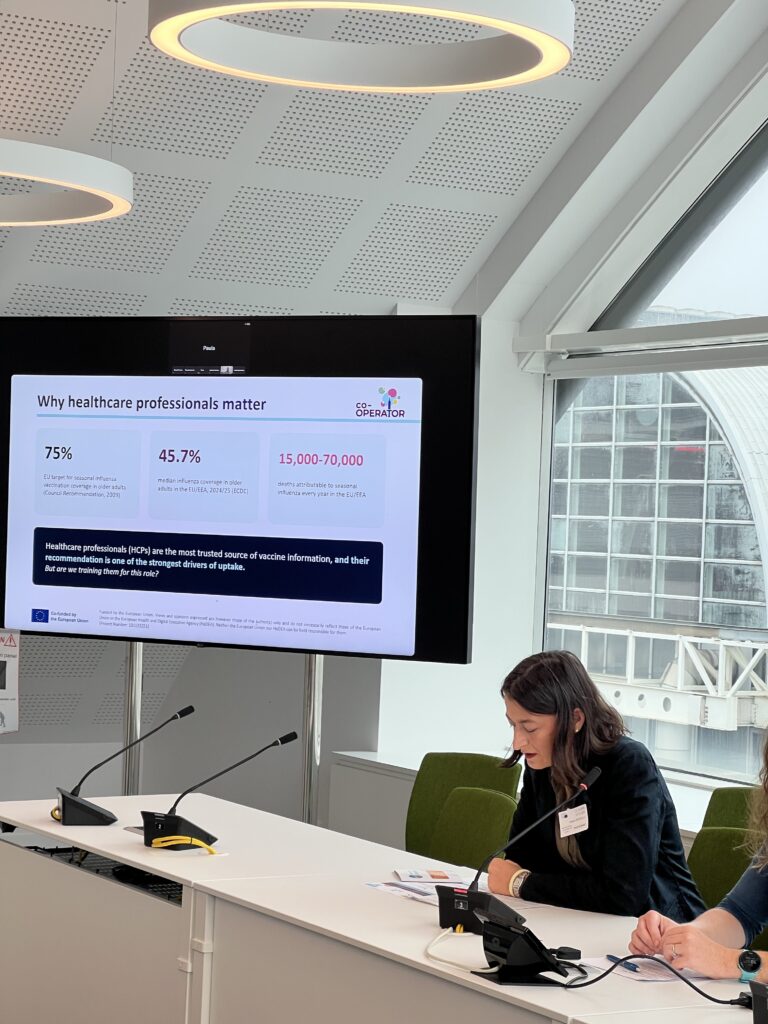
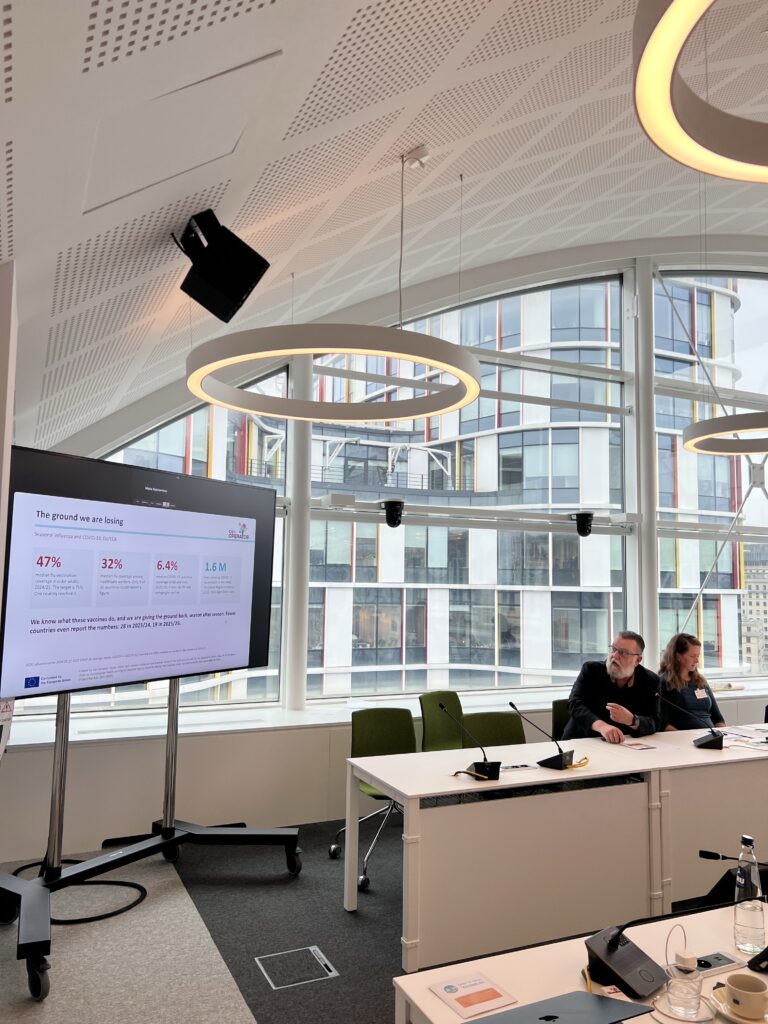
Dr Maria Kyprianidou (CUT) presented the survey results, Angela Bardelli (University of Pisa) the reviews, and Dr Stavros Pitoglou (Computer Solutions) the digital tools. In an interactive session led by Dr Ingeborg van der Putten and Fabiola Pyschny (Maastricht University), participants ranked the project’s policy recommendations themselves.
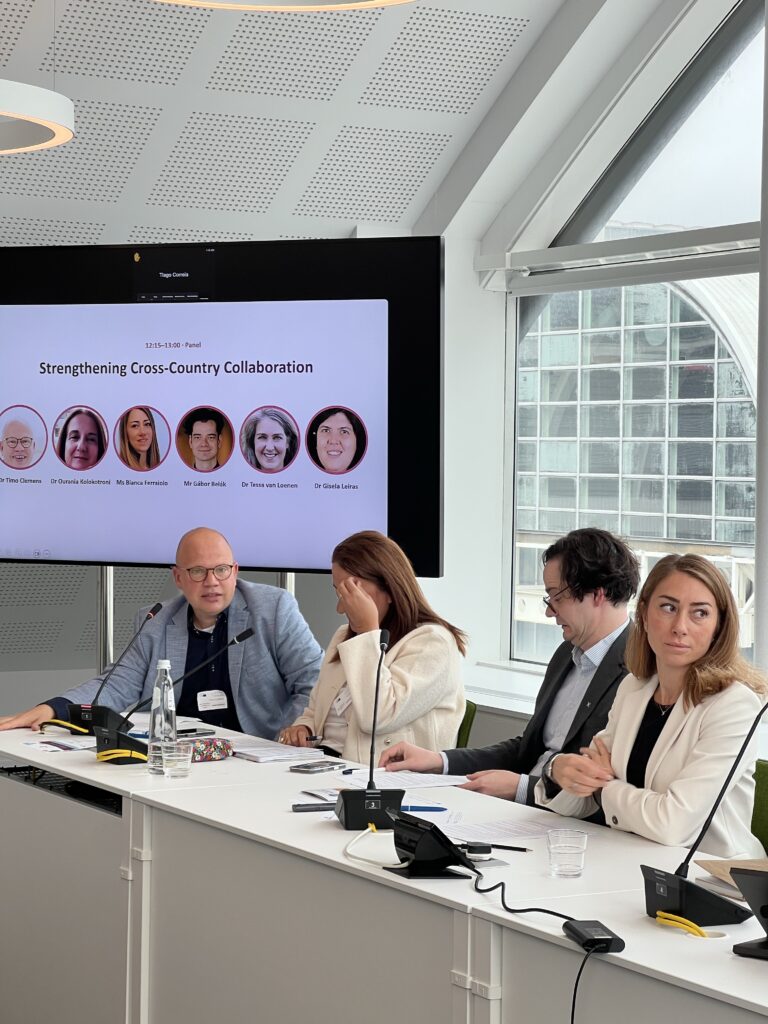
A round-table discussion followed on cross-border cooperation and the role of trust in vaccination promotion. It was moderated by Dr Timo Clemens (Maastricht University), with Dr Ourania Kolokotroni (CUT), Bianca Ferraiolo (Active Citizenship Network), Gábor Belák (DG SANTE), Dr Tessa van Loenen (Radboudumc) and Dr Gisela Leiras, representing the Portuguese Ministry of Health. The sister European projects VAX-Action and EUVABECO were also presented, and Paula Proestou (CSI) presented the sustainability strategy. The conference closed with remarks from Dr Kassianos and from Julián Rueda of the European Health and Digital Executive Agency (HaDEA).
Key messages
The central message of the conference was that there is no one-size-fits-all solution. Vaccination readiness differs from country to country and from vaccine to vaccine, so interventions need to be tailored to each context. Speakers stressed that training for healthcare professionals is still mainly informational. It needs more emphasis on communication skills, incentives and support from the health system. Speakers also pointed out that it matters not only what the message is, but who delivers it.
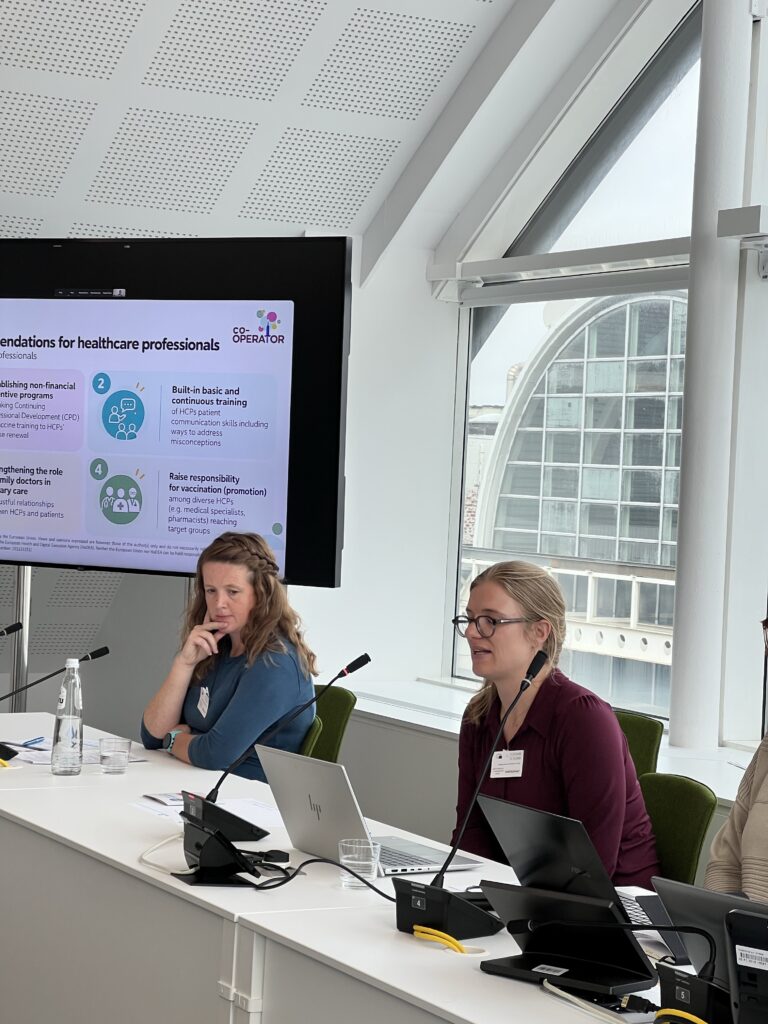
The Policy Lab’s recommendations for healthcare professionals include non-financial incentives through continuing education, communication training and a stronger role for general practitioners. For the general population, they include stable funding, targeted and transparent communication that builds trust, and combined seasonal vaccinations.
“co-OPERATOR was not just a research project. It combined research, training, digital tools and policy dialogue, with citizens and healthcare professionals from five countries. Our main conclusion is that there is no single solution. We need tailored interventions, implementation research and sustainable funding, so that we are ready for the next public health crisis,” said Dr Angelos Kassianos, project coordinator.
“The project’s platform and tools will remain open to everyone. We invite researchers, healthcare professionals and organisations to make use of them and to work with us on the next steps,” he added.
Dr Kassianos thanked the consortium partners, the European Commission and HaDEA, MEP Giorgos Georgiou and his office, and the CUT team who worked on the project.
About co-OPERATOR
co-OPERATOR (project no. 101133251) is funded by the European Union’s EU4Health programme and coordinated by the Behavioral Science in Health Lab (BSiH Lab) at the Cyprus University of Technology. Partners: Cyprus University of Technology, Center for Social Innovation, Portuguese Ministry of Health, University of Pisa, Computer Solutions, CESIE, Cittadinanzattiva / Active Citizenship Network, European Forum for Primary Care, Maastricht University and Radboudumc. More at www.cooperatorvax.eu
Contact: Dr Angelos Kassianos, angelos.kassianos@cut.ac.cy
Funded by the European Union. Views and opinions expressed are however those of the author(s) only and do not necessarily reflect those of the European Union or the European Health and Digital Executive Agency (HaDEA). Neither the European Union nor the granting authority can be held responsible for them.